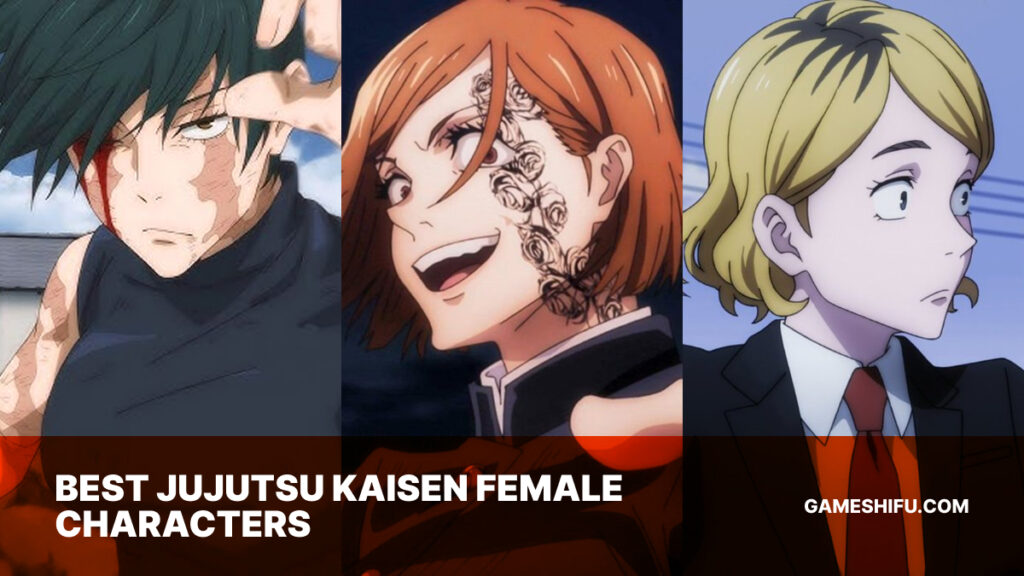
Discover why Jujutsu Kaisen’s female characters have captivated the anime world — these are not your average sidekicks. Every woman in JJK is a force, fusing raw power, sharp strategy, and real emotional depth into the series. Each name here is more than just a supporting role; they’re trendsetters, game-changers, and scene-stealers who shatter shonen clichés at every turn.
From fearless fighters to brilliant tacticians and bold survivors, the women of Jujutsu Kaisen break the mold and reshape what’s possible in anime. As you scroll, you’ll meet the sorcerers whose backstories inspire millions, whose battles set fandoms ablaze, and whose personalities spark endless debate across the anime community. Don’t just skim—every entry on this list offers unique talents, show-stopping moments, and reasons they’ve become icons of modern shonen storytelling.
Table of Contents
Here are best Jujutsu Kaisen Female Characters:
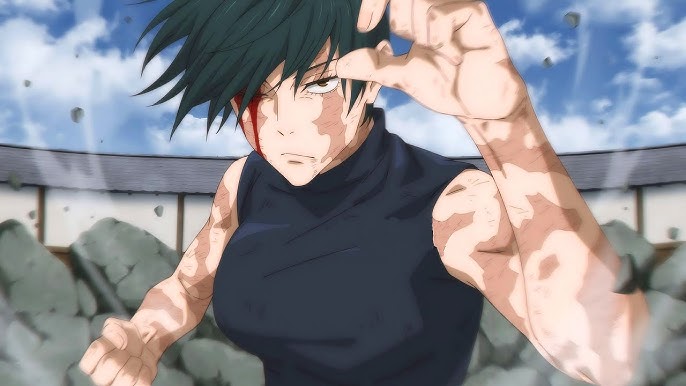
1. Maki Zenin
Character Arc: Maki’s story is a profound tale of rebellion. Born into elite jujutsu nobility but with zero cursed energy, she becomes an outcast and endures constant belittlement due to rigid, patriarchal traditions of the Zenin clan. Instead of yielding, Maki exhaustively trains her body, mastering cursed tools and martial combat.
Fandom & Thematic Impact: Maki isn’t just a “strong female character”—she embodies determination and the willingness to rage against a corrupt system. Her ultimate vengeance against the Zenin clan for their cruelty is hands-down one of JJK’s most shocking and satisfying arcs, tackling themes of family, trauma, and self-liberation. She is celebrated for depth, complexity, and agency, standing as a shonen icon in her own right.
Top Moments:
- Her return to the Zenin clan and brutal confrontation that set her free, both physically and spiritually.
- Mentoring others and championing equality in the jujutsu world.
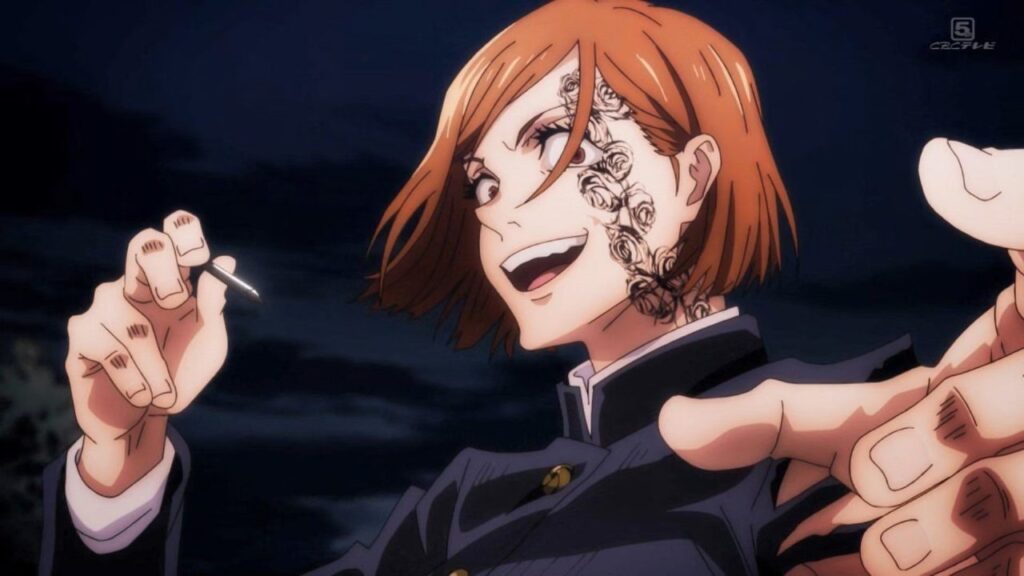
2. Nobara Kugisaki
Character Arc: Nobara upends the expectations for the token “female lead.” Whether on the battlefield with her hammer, fighting alongside Yuji and Megumi, or facing her own mortality, she’s never less than 100% authentic. Her Straw Doll and Resonance techniques let her weaponize everyday items with deadly force.
Fandom & Thematic Impact: Nobara’s blend of bravado, pride in her femininity, and vulnerability in tragedy resonates especially with those tired of one-dimensional heroines. She stands toe-to-toe with curses and sorcerers alike, challenging the notion that compassion and strength are mutually exclusive. Her abrupt fate shocked fans and sparked worldwide discussion, underlining her profound cultural impact.
Top Moments:
- Her explosive fight against Eso & Kechizu—cementing her as a fan favorite.
- Her iconic quote, “I am me. Even if I’m not perfect,” shows her firm sense of self.
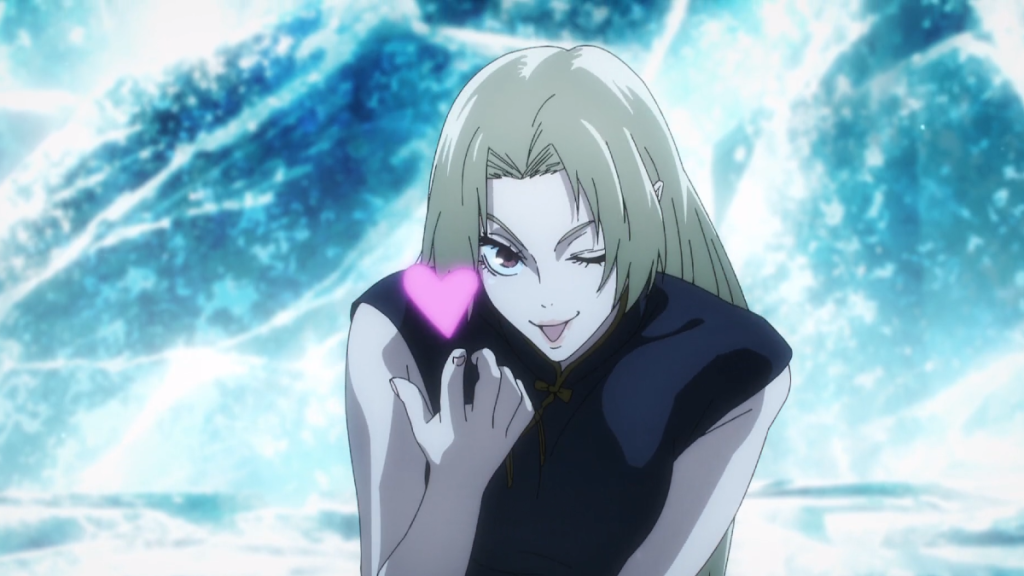
3. Yuki Tsukumo
Character Arc: One of only four special-grade sorcerers, Yuki is mysterious, rebellious, and a world traveler uninterested in jujutsu politics. She seeks the root cause of curses and dreams of eradicating them, not just exorcising them.
Fandom & Thematic Impact: Often discussed as the “series’ strongest woman,” Yuki stands out for her unique philosophy, mentorship (especially of Geto), and memorable endgame showdown with Kenjaku. Her refusal to conform, intellectual curiosity, and emotional complexity make her a magnetic presence—her final arc’s sacrifice leaves a profound mark.
Top Moments:
- Her fight with Kenjaku, displaying the true overwhelming power of a special grade.
- Challenging systemic issues rather than just fighting on the front lines.
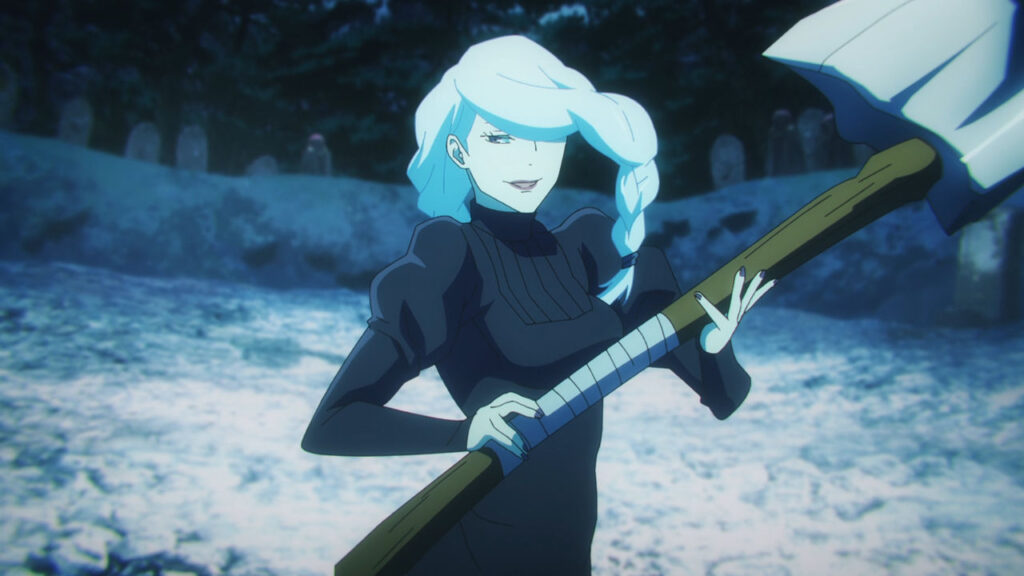
4. Mei Mei
Character Arc: Mei Mei is best known for her calculated approach and refusal to fight for anything but profit. Her crows, simple Black Bird Manipulation, combined with immense physical power, prove that technical creativity and professionalism can trump raw cursed energy.
Fandom & Thematic Impact: Mei Mei’s focus on independence and her businesslike priorities offer a fascinating angle. Fans appreciate her complexity: she’s both ruthless and reliable, cold yet protective—especially when it comes to her younger brother, Ui Ui. Mei Mei shows there is no “one right way” to be powerful or successful in JJK.
Top Moments:
- Teaming with Yuji against a deadly curse, holding the line while outnumbered.
- Her calculated decision-making under stress.
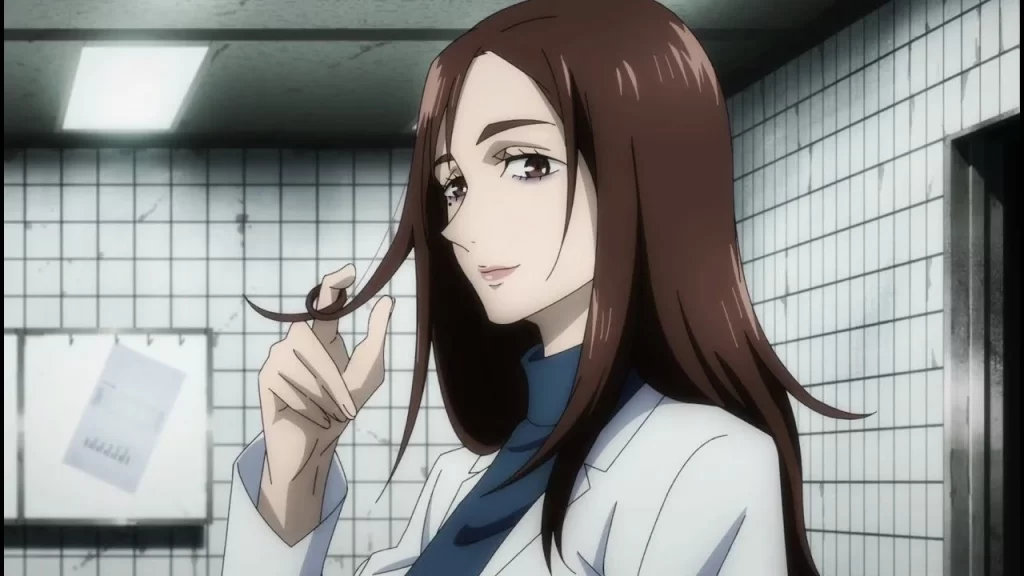
5. Shoko Ieiri
Character Arc: Often reserved for backup and medical support, Shoko plays a vital role as Jujutsu High’s doctor and Reverse Cursed Technique user. She is one of Gojo’s oldest friends and bears deep scars from the fallout between Gojo and Geto.
Fandom & Thematic Impact: Shoko’s steadiness and adult presence ground the wild energy of the sorcerer teens. Her medical skills keep key characters alive and operational, showing that healing can be as life-altering and heroic as fighting.
Top Moments:
- Healing countless wounded after intense battles.
- Providing emotional support to the faculty during their darkest hours.
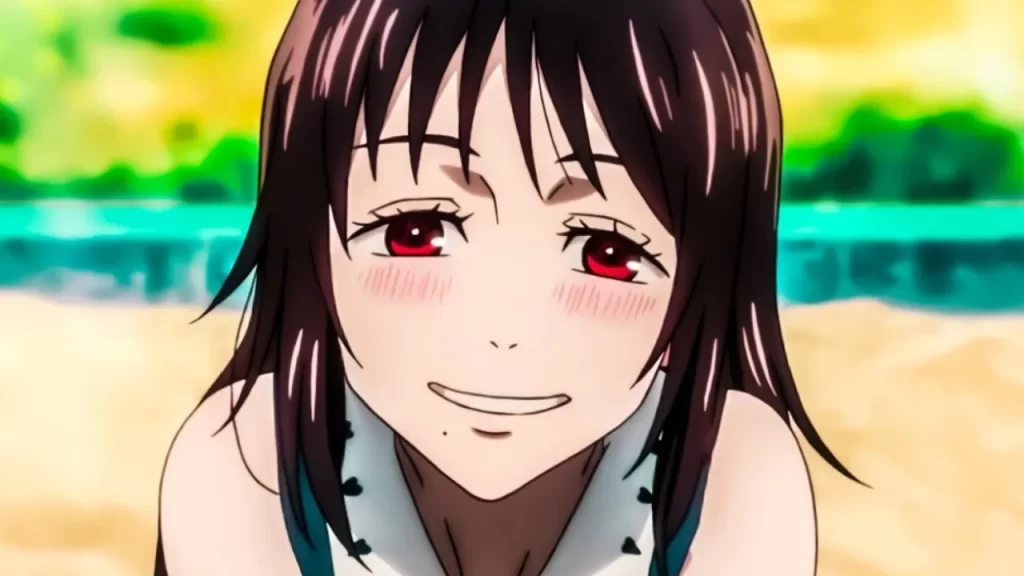
6. Rika Orimoto
Character Arc: Once Yuta Okkotsu’s beloved friend, Rika’s premature death transformed her into an immensely powerful curse. Her lingering attachment is initially horrifying, then deeply moving.
Fandom & Thematic Impact: Rika’s narrative embodies JJK’s theme of love’s persistence beyond death—sometimes protective, sometimes destructive. She drives the entire plot of “Jujutsu Kaisen 0” and is central to Yuta’s evolution.
Top Moments:
- Her volatile manifestation during the school massacre.
- The final, tearful farewell with Yuta.
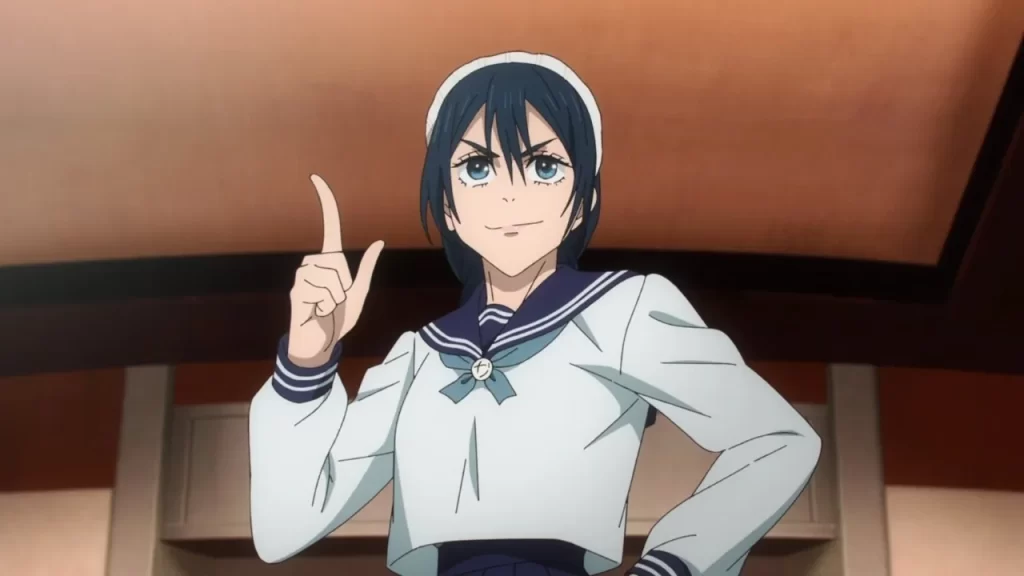
7. Riko Amanai
Character Arc: As the key to Tengen’s immortality, Riko wants only a normal life. Her struggles—torn between her cosmic duty and desire for freedom—impact Gojo, Geto, and ultimately, the fate of the sorcery world.
Fandom & Thematic Impact: Riko’s arc is a tragic meditation on autonomy and sacrifice. Her warmth humanizes the “Gojo’s Past” arc and her death is the spark that launches Geto’s villainous transformation—proving how side characters can alter entire narratives.
Top Moments:
- Choosing to live selfishly, then bravely facing her fate.
- Her death’s immediate, catastrophic effect on both Gojo and Geto.
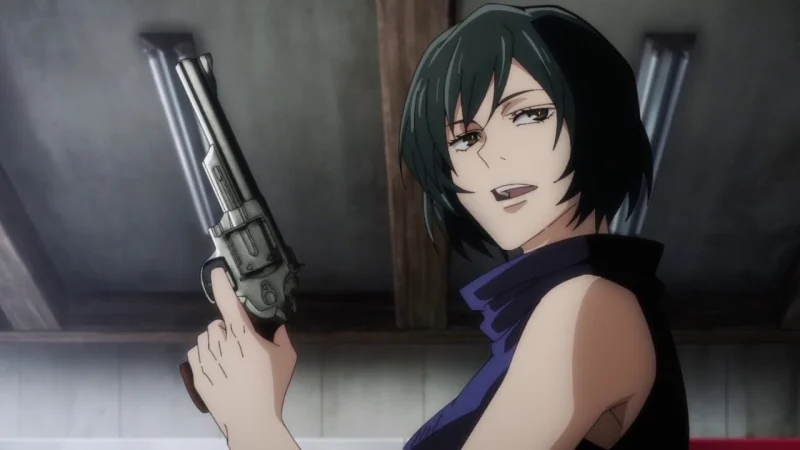
8. Mai Zenin
Character Arc: The opposite of her ambitious twin, Mai prefers safety but is forced into combat by family obligations. Despite her timid nature, she’s a sharpshooter with a unique construction technique.
Fandom & Thematic Impact: Mai’s relationship with Maki becomes one of the show’s emotional anchors. Her struggle—balancing resentment with deep love—culminates in a self-sacrifice that enables Maki’s true potential. Mai represents those pressured into roles they never wanted and the pain that comes with family loyalty.
Top Moments:
- Creating her last bullet to save Maki and herself.
- Her parting message: “Don’t be so hard on yourself.”
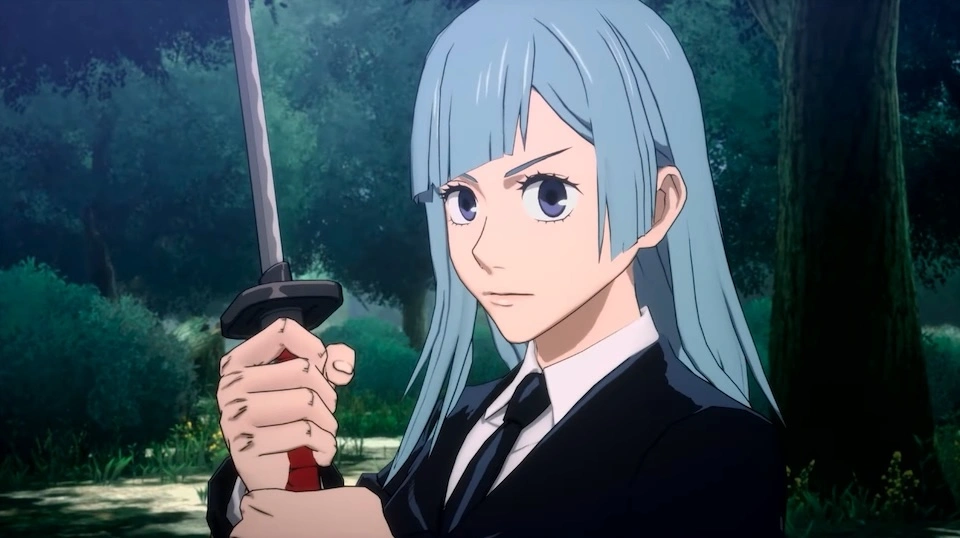
9. Miwa Kasumi
Character Arc: Miwa is sometimes comic relief for her crush on Gojo, but she’s a capable sorcerer, mastering the Simple Domain technique to stand with much stronger opponents.
Fandom & Thematic Impact: Miwa embodies perseverance and self-awareness, showing that anyone can carve a niche through hard work. She’s gentle, earnest, and often serves as an everyman for the audience, representing those who fight even when outclassed.
Top Moments:
- Bravely joining Kyoto’s students against overpowered enemies.
- Her unwavering loyalty and defense of her friends.
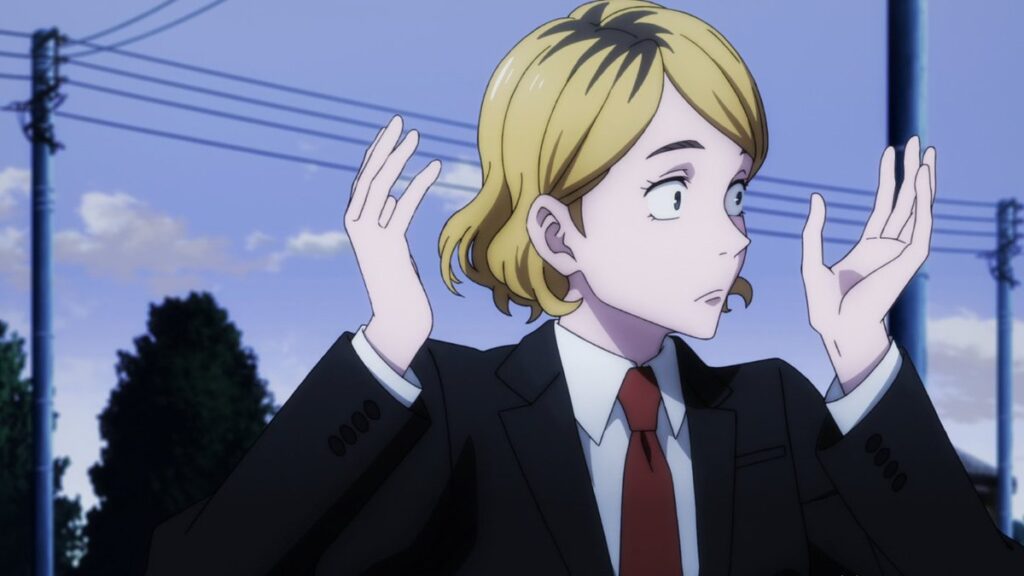
10. Akari Nitta
Character Arc: As a mission coordinator, Akari ensures the safety and efficiency of other sorcerers, handling logistics and watching over her brother.
Fandom & Thematic Impact: Akari’s quick thinking and supportive mindset make her an indispensable part of Jujutsu High. Her relatability and lighter moments help ground the series in a sense of everyday heroism.
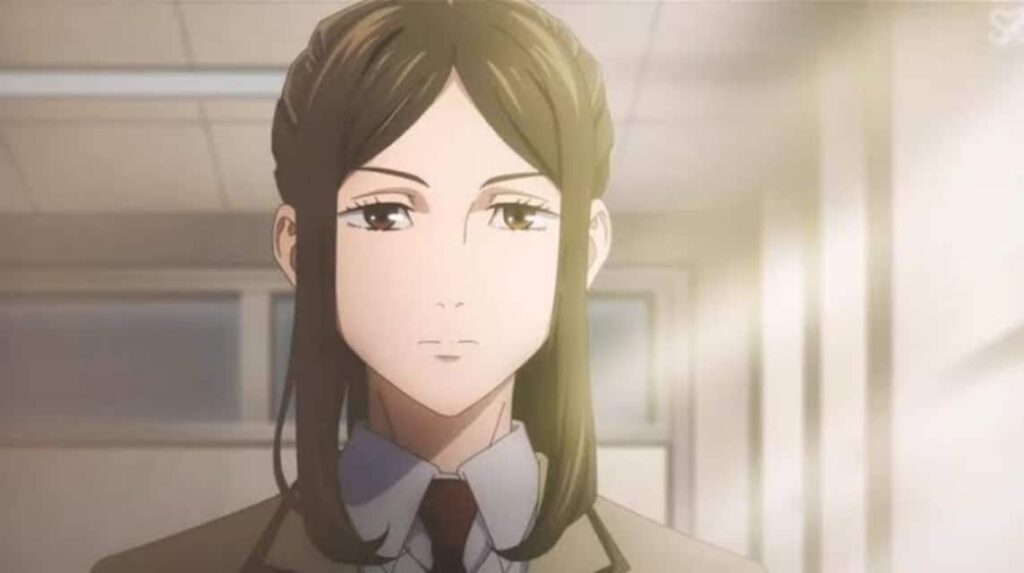
11. Tsumiki Fushiguro
Character Arc: Megumi’s older sister is cursed into a coma, driving his initial journey and emotional growth.
Fandom & Thematic Impact: Tsumiki’s quiet bravery and selflessness serve as Megumi’s anchor, representing hope and familial love as powerful motivators throughout the turmoil of the series.
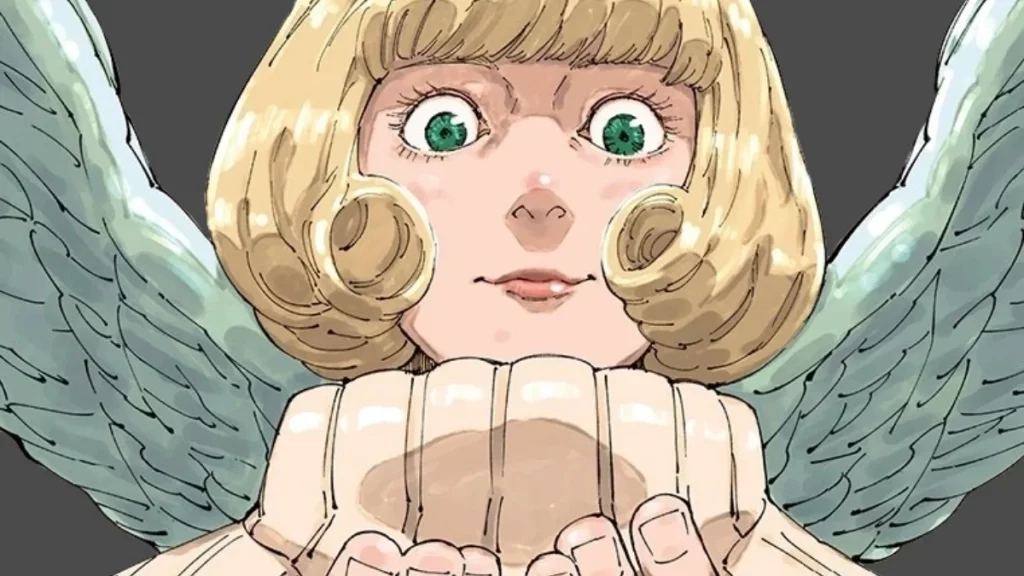
12. Hana Kurusu (Angel)
Character Arc: As “Angel,” Hana is both a bearer of critical information and a necessary player in high-stakes battles with her ability to negate curses and barriers.
Fandom & Thematic Impact: Her blend of innocence and overwhelming purpose, contrasted by the deadly seriousness of the world around her, give her a unique, memorable presence as the narrative nears its conclusion.
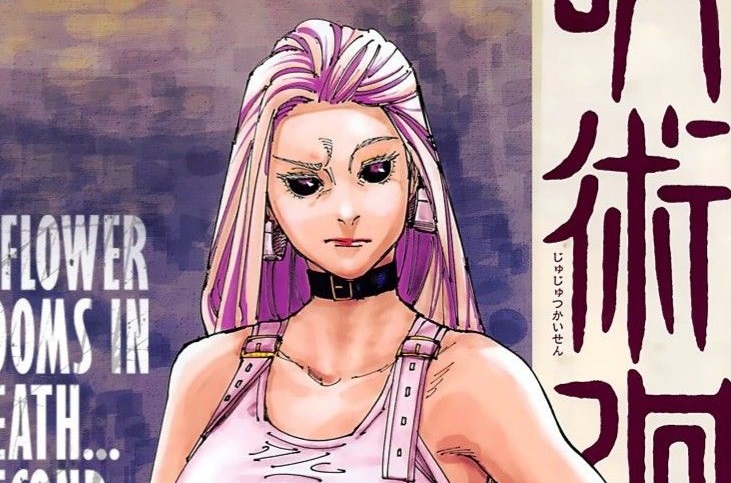
13. Uro Takako
Character Arc: A reincarnated sorcerer, Uro is a major player in the Culling Games, exhibiting rare domain expansion abilities and challenging the balance of power.
Fandom & Thematic Impact: Uro provides a lens into ancient jujutsu, showing how the old world collides with the new. Her strategies and bravado stand out in massive, multi-character battles.
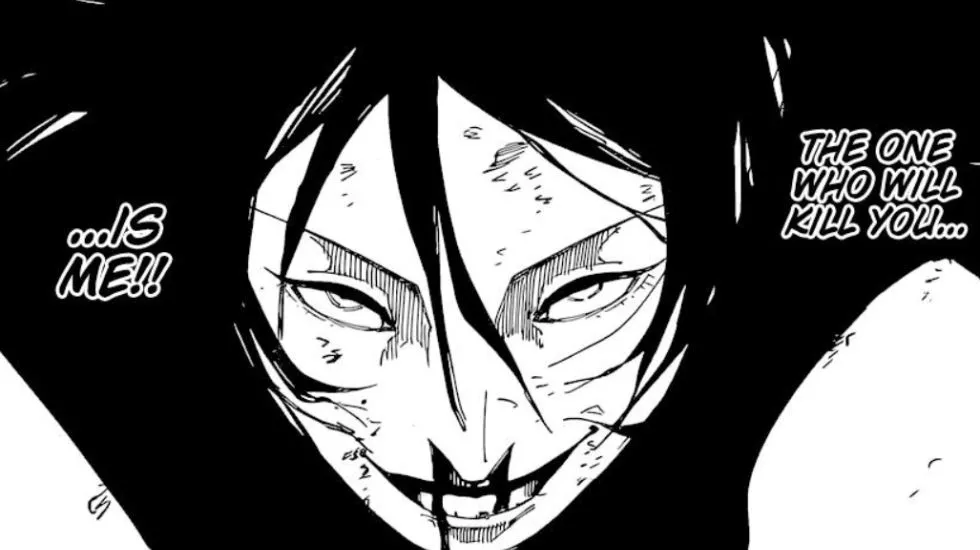
14. Yorozu
Character Arc: A legendary and chaotic player from the Heian era, Yorozu is driven by obsession—especially for Sukuna—and brings unique chaos to the Culling Games.
Fandom & Thematic Impact: Yorozu’s twisted desires and unpredictable powers make her a compelling, if controversial, antagonist. She exemplifies how JJK explores the full spectrum, from nobility to depravity, in its female cast.
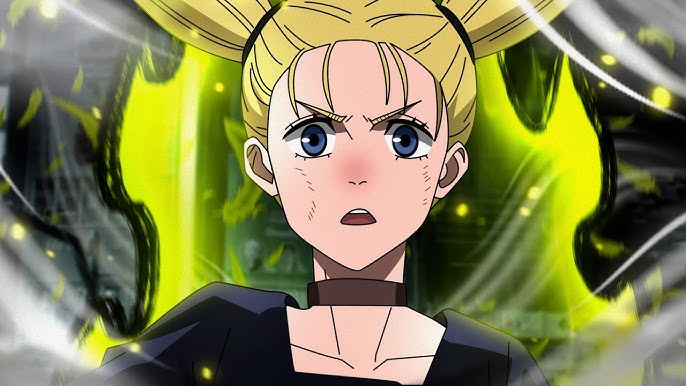
15. Momo Nishimiya
Character Arc: Momo is a flying wind sorcerer and outspoken critic of sexism in the jujutsu world, acting as both a fighter and an activist.
Fandom & Thematic Impact: Her memorable commentary, loyalty to peers, and unique broom-based combat bring much-needed variety to JJK’s diverse supporting cast.
Honorable Mentions
- Utahime Iori: An essential mentor figure with her own moments of quiet strength.
- Nanako and Mimiko Hasaba: Twin sisters whose lives illustrate the story’s recurring theme of victimhood and vengeance.
- Sacrificial Ancients: Several past/reincarnated sorcerers in the Culling Games, each with their own lost-era perspective.
Frequently Asked Questions
Who is the most powerful female in Jujutsu Kaisen?
Yuki Tsukumo often gets this nod due to her special grade rank, massive technique, and global influence, though Maki Zenin rivals her in physical ability.
Do JJK’s female characters break shonen stereotypes?
Yes: Unlike many past series, Jujutsu Kaisen’s women drive plotlines, wield agency, express complexity, and are vital to the core cast—not afterthoughts or love interests.
Which arcs best showcase female characters?
The Kyoto Goodwill Event, Shibuya Incident, Gojo’s Past, Zenin Family confrontation, and the Culling Games all feature powerful scenes for many women on this list.