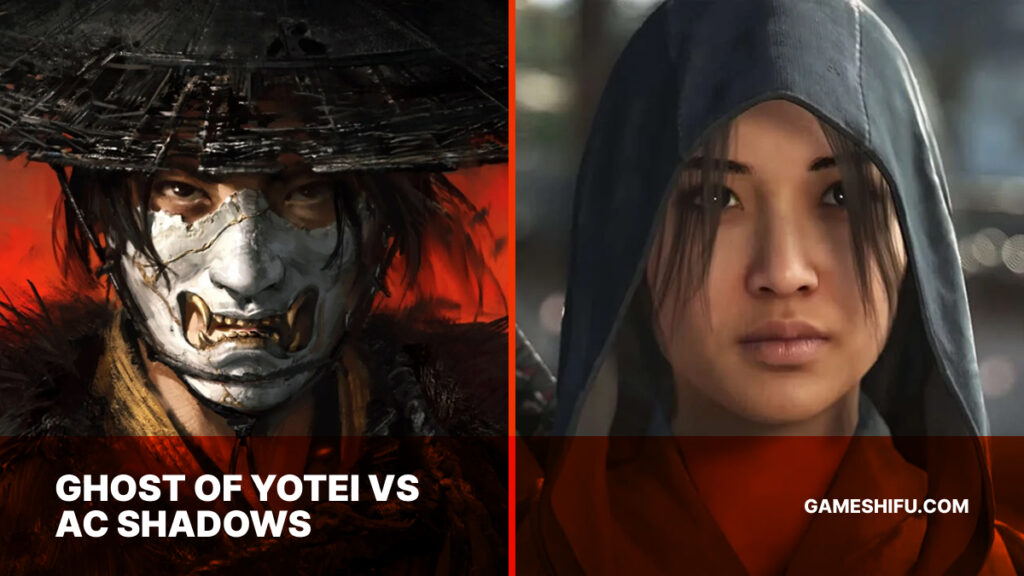
Two of 2025’s most anticipated action-adventure games have finally arrived, both set in feudal Japan and featuring revenge-driven narratives with samurai combat. Ghost of Yotei, developed by Sucker Punch Productions exclusively for PlayStation 5, launched on October 2, 2025, while Ubisoft’s Assassin’s Creed Shadows released on March 20, 2025, for multiple platforms including Windows, macOS, PlayStation 5, and Xbox Series X/S. Both titles have captivated audiences with their cinematic approach to Japanese history, but they offer distinctly different experiences that appeal to different types of players.
Setting and Historical Context
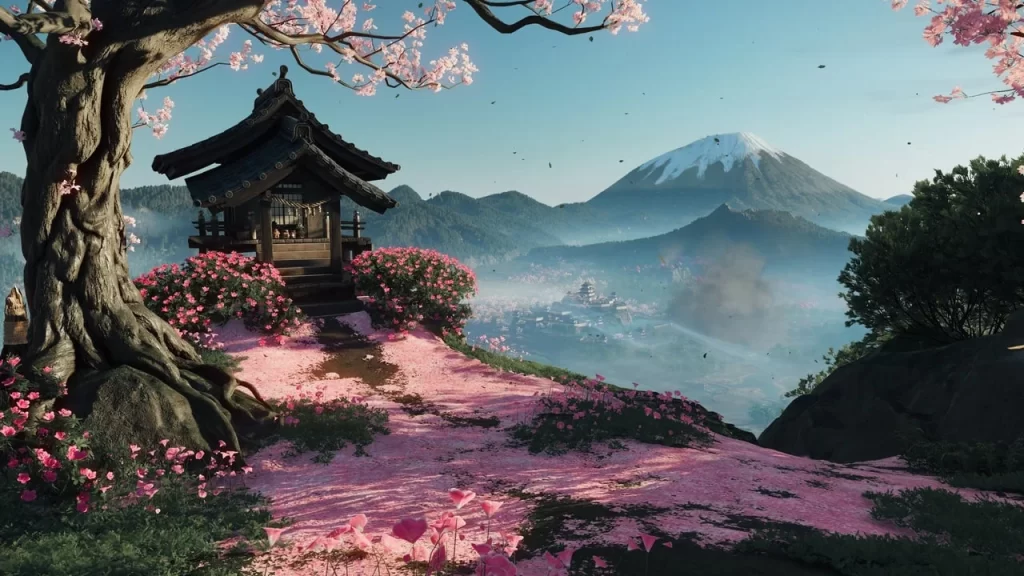
Ghost of Yotei transports players to Ezo (modern-day Hokkaido) in 1603, a wild frontier land that was not under Japanese rule at the time. The game’s setting around Mount Yōtei creates an atmosphere of lawlessness and danger, providing the perfect backdrop for a revenge story. This standalone sequel takes place 300 years after the events of Ghost of Tsushima, introducing a completely new character and storyline.
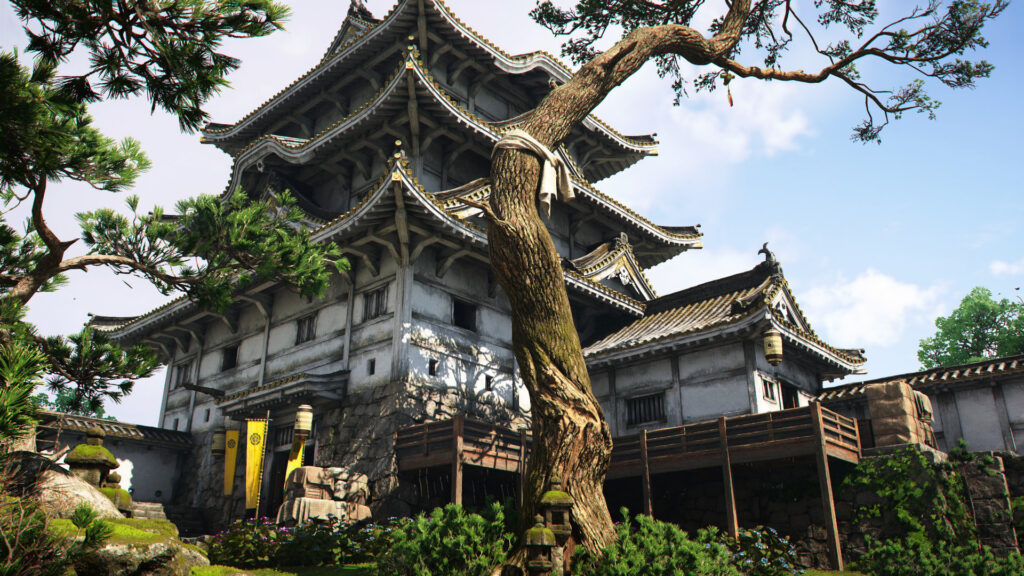
Assassin’s Creed Shadows, on the other hand, is set in 16th-century Japan during the late Sengoku period, a time of intense civil war and political upheaval. As the fourteenth major installment in the Assassin’s Creed franchise, the game continues the millennia-old conflict between the Assassin Brotherhood and the Templar Order, now viewed through the lens of feudal Japan. This historical setting provides a rich tapestry of warring factions, honor codes, and cultural traditions for players to explore.
Protagonists and Character Design
Ghost of Yotei: Atsu’s Solo Journey
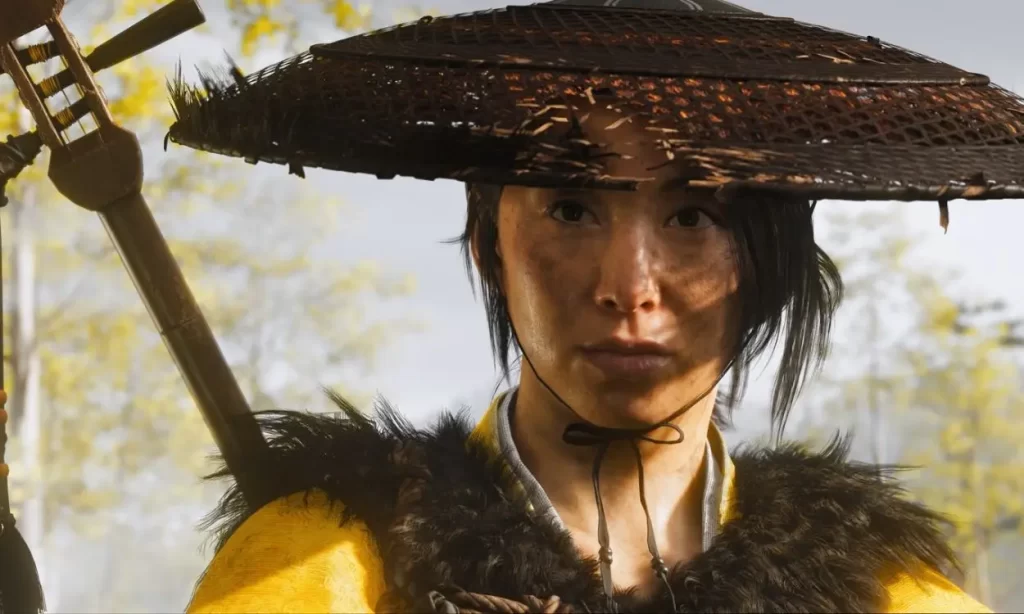
Ghost of Yotei features Atsu, a ronin (masterless samurai) who embarks on a deeply personal mission to hunt down six outlaws responsible for her family’s death. Described as “filled with fury and determination,” Atsu’s character draws inspiration from Japanese folklore, particularly the legend of the onryo, a vengeful spirit. Throughout the game, players witness Atsu’s transformation as she grows into this spectral role, becoming the new “Ghost” following Jin Sakai’s legacy from the first game.
Atsu’s journey is a solitary one, with the protagonist accompanied only by a wolf companion that fights alongside her in combat. The character’s design emphasizes her role as a mercenary who trained her entire life to become a deadly warrior, proficient with multiple weapons. Every odd job and bounty she takes provides the coin needed for her journey of revenge, with players determining how she fights, survives, and evolves the Ghost legend.
Assassin’s Creed Shadows: Dual Protagonist System
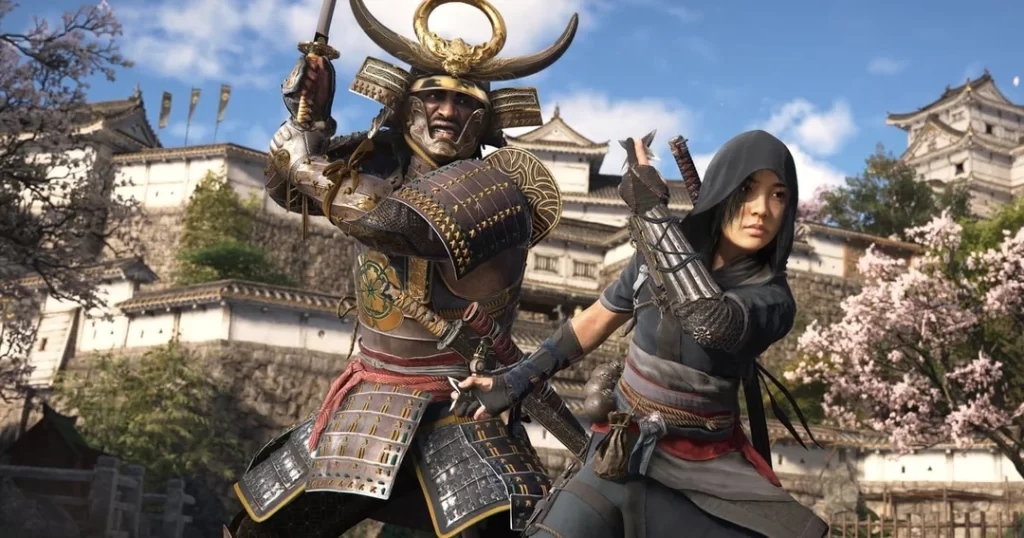
Assassin’s Creed Shadows takes a different approach by featuring two playable protagonists with contrasting gameplay styles. Players can switch between Fujibayashi Naoe, a kunoichi (female shinobi), and Yasuke, an African samurai inspired by the historical figure of the same name. This dual-character system allows quests to be approached from multiple perspectives and playstyles.
Naoe is an agile character driven by vengeance who embodies the classic Assassin’s Creed stealth gameplay. Her strengths lie in exploration and silently eliminating enemies unnoticed, utilizing tools like a grappling hook, Eagle Sense, and eavesdropping capabilities. She wields a katana, kusarigama, and tanto, but lacks strong defensive options, making direct combat a last resort.
Yasuke, by contrast, is a combat-heavy character with significant advantages in physical stature. He can break doors, fight multiple enemies simultaneously, and penetrate armor that would stop other weapons. While Naoe excels at stealth and assassinations with her hidden blade, Yasuke brings raw power to open confrontations. The two characters are described as having contrasting perspectives that expose different facets of the historical era.
Combat Systems and Gameplay Mechanics
Ghost of Yotei’s Weapon-Based Combat
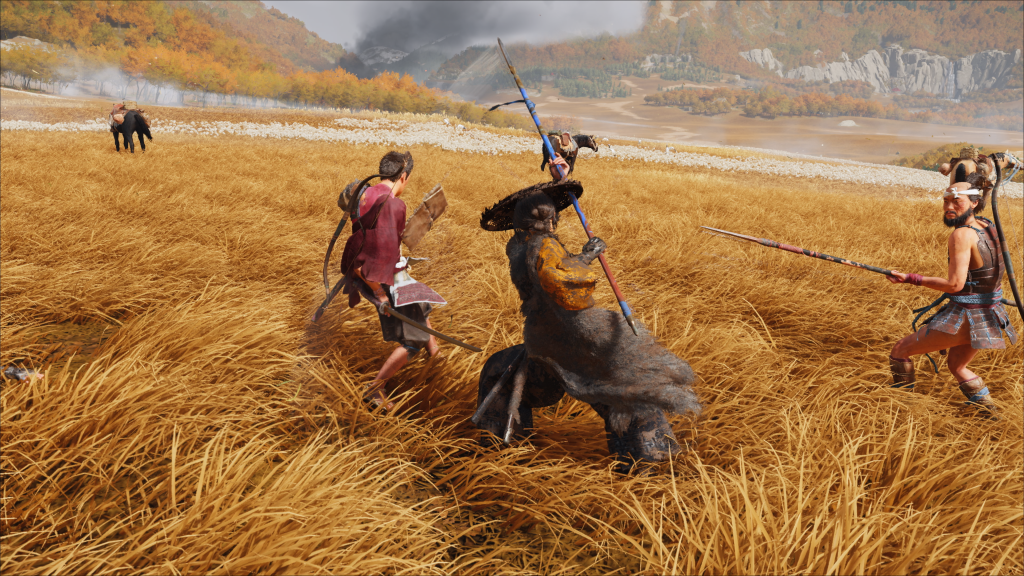
Ghost of Yotei’s combat system is designed to replicate the tension and precision of classic samurai films. The developers aimed to create battles that feel desperate, deadly, and decidedly satisfying when facing large groups of enemies. Atsu’s proficiency with multiple weapons, combined with Sucker Punch’s unique mixing and matching system, allows players to seamlessly switch between different fighting styles during intense encounters.
The combat incorporates various tools including smoke bombs, the ability to fling dropped weapons at enemies, Ghost tools, and special abilities. Players must excel at balancing attacks against multiple enemies simultaneously, creating a level of challenge that represents a significant step up from Ghost of Tsushima. The enemy AI in Ghost of Yotei demonstrates notable intelligence during combat, coordinating attacks effectively and flanking players to maintain constant pressure.
Assassin’s Creed Shadows’ Dual-Style Approach
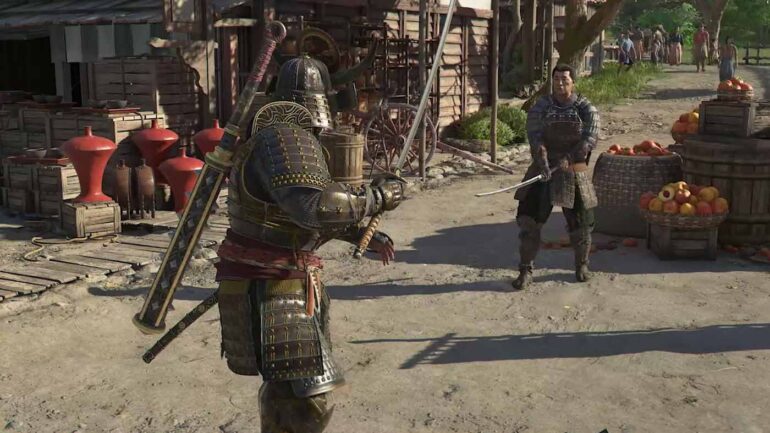
Assassin’s Creed Shadows offers distinctly different combat experiences depending on which protagonist players choose. The game brought a welcome overhaul to the franchise’s combat mechanics, though it maintains a more forgiving approach compared to Ghost of Yotei. When controlling Yasuke, players can charge into battle with confidence, utilizing his strength and armor-breaking capabilities.
The combat in Shadows is described as great but more forgiving, with enemies often hanging back when one of their allies engages the player. However, the game compensates with other strengths, particularly in stealth sections where enemy AI becomes more aggressive and relentless, especially on harder difficulties. The variety offered by switching between two characters with completely different combat philosophies gives Shadows unique gameplay flexibility.
Stealth and Infiltration
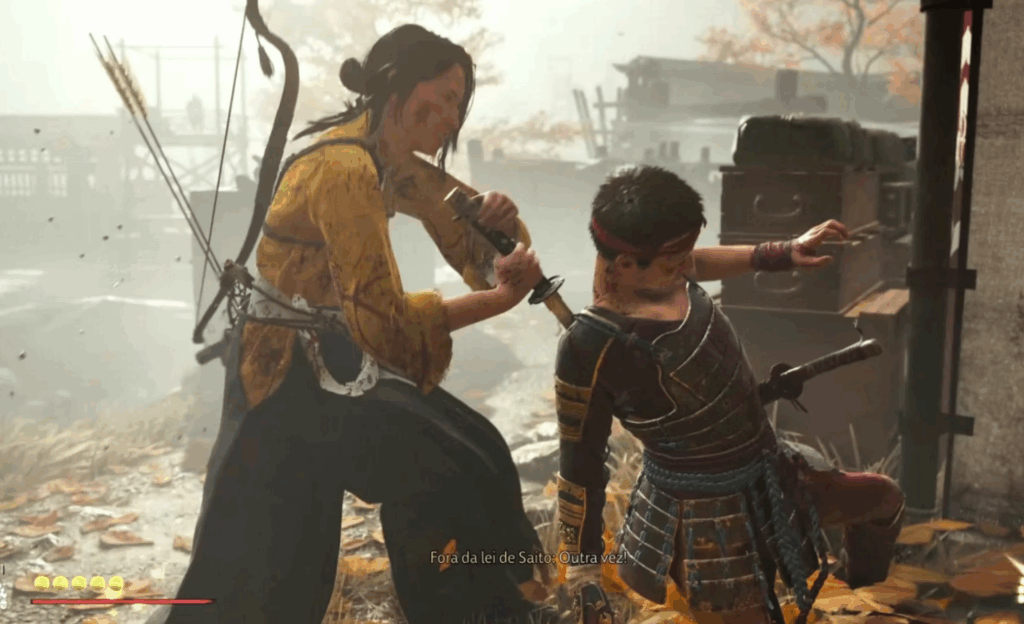
Ghost of Yotei’s stealth capabilities represent an iterative upgrade over Ghost of Tsushima, giving Atsu enhanced tools like the kusarigama to draw enemies closer. However, the stealth framework doesn’t represent a revolutionary departure from the previous game’s systems. While competent and functional, Yotei’s stealth mechanics focus more on refinement than innovation.
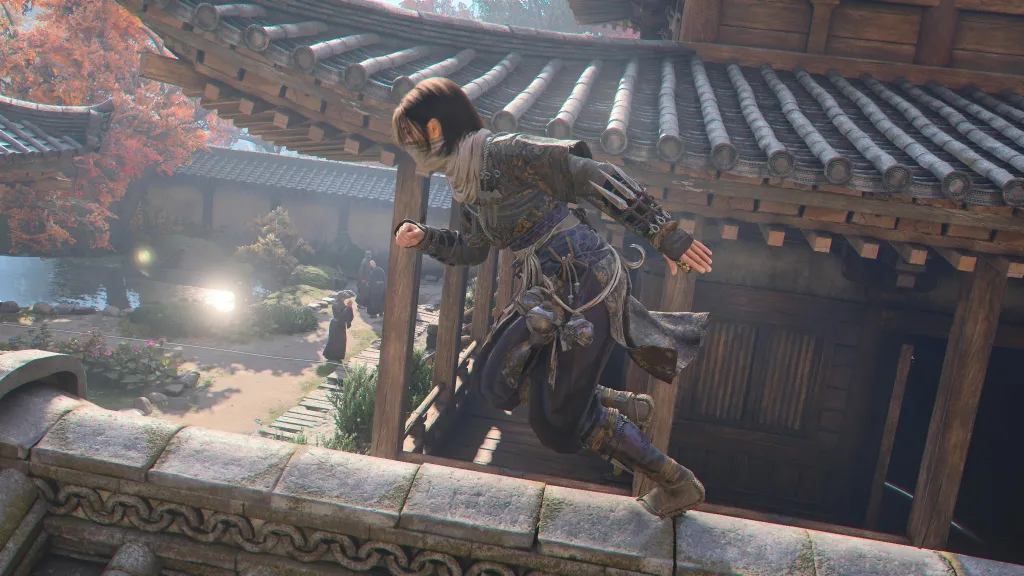
Assassin’s Creed Shadows delivers a significant overhaul to the franchise’s stealth approach, particularly through Naoe’s abilities. She can use her environment to advantage in ways that previous Assassin’s Creed titles couldn’t match. Her grappling hook enables quick rooftop access, and she has multiple methods for staying out of sight. During stealth sections, enemies in Shadows demonstrate impressive awareness, able to spot Naoe even when lying flat on rooftops and responding with projectiles and reinforcement calls. In terms of pure stealth mechanics, Assassin’s Creed Shadows takes the advantage.
Open World Design and Exploration
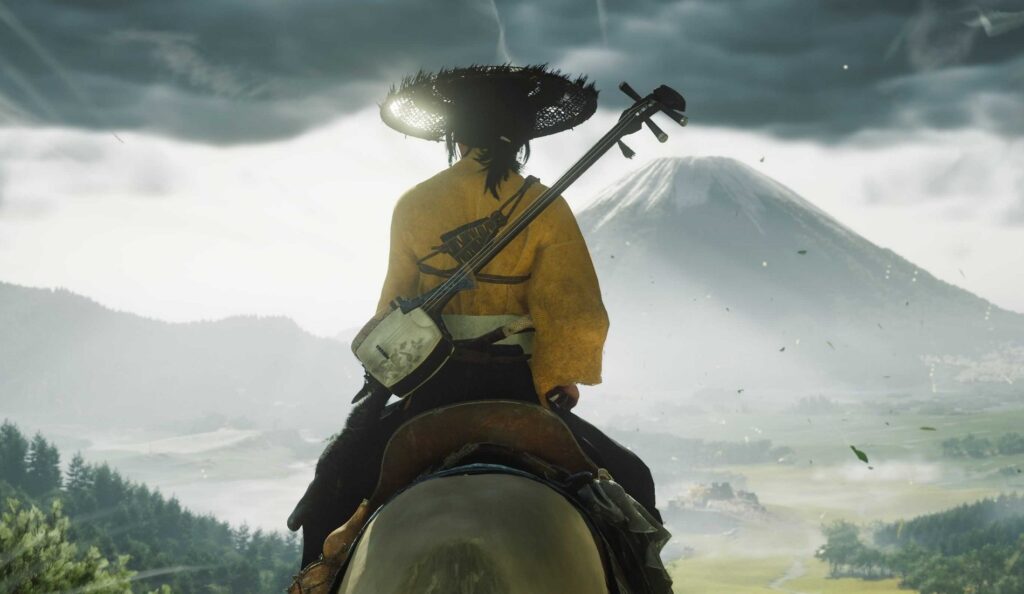
Ghost of Yotei follows the Breath of the Wild school of open-world design, creating a more diegetic experience where environmental elements like wind serve as natural waypoints for quests. This approach builds player curiosity and maintains immersion without overwhelming them with map icons, checklists, and busywork. Exploration feels intuitive and rewarding, with the game knowing exactly what it wants to be: a grounded, cinematic action-adventure rooted in Japanese myth and emotion.
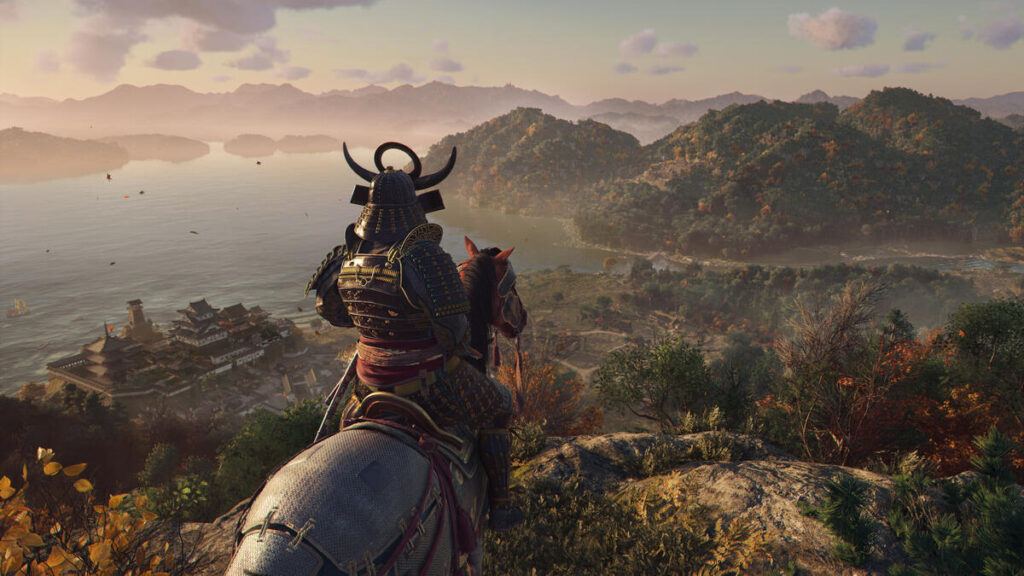
Assassin’s Creed Shadows adheres more closely to traditional Ubisoft open-world conventions, which some players find familiar and others consider cluttered. The game continues to grapple with franchise identity, balancing elements of stealth gameplay, action RPG mechanics, and live-service platform aspirations. This creates a more icon-heavy map experience that may appeal to completionists but can feel less organic than Ghost of Yotei’s streamlined approach.
Visual Presentation and Cinematic Modes
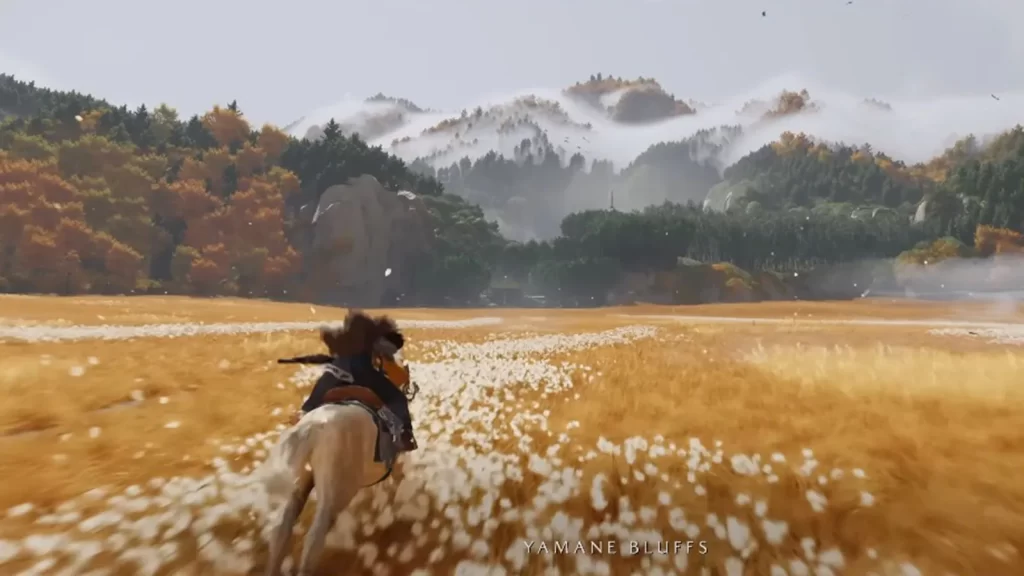
Ghost of Yotei offers multiple cinematic visual modes that dramatically alter the game’s aesthetic. Kurosawa Mode provides a black-and-white filter inspired by legendary filmmaker Akira Kurosawa, perfect for players seeking that classic samurai cinema experience. Miike Mode delivers intense, close-up, and bloody action named after director Takashi Miike. Watanabe Mode creates a laid-back, lo-fi aesthetic inspired by Shinichirō Watanabe, creator of Samurai Champloo.
The game also features an expanded photo mode, providing players with comprehensive tools to capture and share the detailed environments and action sequences. These visual options demonstrate Sucker Punch’s commitment to delivering a cinematic experience that pays homage to Japanese filmmaking traditions.
Assassin’s Creed Shadows delivers impressive visuals across multiple platforms, maintaining the series’ reputation for detailed historical recreations. The game’s multiplatform approach means it’s optimized for various hardware configurations, making the experience accessible to a broader audience.
Sales Performance and Critical Reception
Ghost of Yotei has achieved remarkable commercial success, selling approximately 2.5 million copies on PlayStation 5 within just three weeks of release. According to Alinea Analytics, the game recouped its development budget on the second day of sales. Most impressively, Ghost of Yotei outsold Assassin’s Creed Shadows on PS5 in under three weeks, a figure that took Shadows seven months to achieve.
Assassin’s Creed Shadows has sold approximately 4.3 million copies across all platforms since its March 2025 release, with around 2.4 million of those sales on PlayStation 5. While these are solid figures, they represent softer performance than Ubisoft anticipated given the franchise’s profile. The game received generally positive reviews from critics upon release.
Both games were well-received critically, with Ghost of Yōtei earning “generally positive reviews” according to sources. The comparison between the two titles has sparked considerable discussion within gaming communities about what makes Japanese-set action games successful.
Platform Availability and Future Releases
Ghost of Yotei remains a PlayStation 5 exclusive at launch, though a Steam port is expected in 2026 alongside the release of Yotei Legends, a PvE mode similar to the multiplayer component from Ghost of Tsushima. Given that Ghost of Tsushima’s Steam version has sold over 2 million copies generating $90 million in revenue, expectations are high for Yotei’s PC release.
Assassin’s Creed Shadows launched simultaneously on Windows, macOS, PlayStation 5, and Xbox Series X/S on March 20, 2025. The game is scheduled for release on Nintendo Switch 2 on December 2, 2025, with an iPadOS version planned for a later date. This multiplatform strategy significantly expands the potential audience compared to Ghost of Yotei’s console-exclusive approach.
Frequently Asked Questions
Which game has better combat: Ghost of Yotei or AC Shadows?
Ghost of Yotei offers more challenging and satisfying combat that requires mastering weapon switching and managing multiple attackers simultaneously. The enemy AI coordinates attacks more intelligently and flanks effectively. While AC Shadows provides great combat with the flexibility of two distinct playstyles, it’s generally more forgiving, making Ghost of Yotei the winner for pure combat excellence.
Can you play as multiple characters in both games?
No, Ghost of Yotei features only one protagonist, Atsu, a female ronin on a revenge mission. Assassin’s Creed Shadows offers two playable characters—Naoe (kunoichi) and Yasuke (samurai)—who can be switched between after the initial chapters.
Which game has better stealth gameplay?
Assassin’s Creed Shadows delivers superior stealth mechanics, particularly through Naoe’s enhanced abilities including grappling hooks, Eagle Sense, and improved environmental interaction. Ghost of Yotei’s stealth represents only an iterative improvement over its predecessor, whereas Shadows overhauled the franchise’s stealth systems significantly.
Are both games set in the same time period?
No, the games are set in different eras of Japanese history. Assassin’s Creed Shadows takes place in 16th-century Japan during the late Sengoku period. Ghost of Yotei is set in 1603 in Ezo (Hokkaido), approximately 300 years after Ghost of Tsushima.
Which game sold better?
On PlayStation 5 specifically, Ghost of Yotei outsold AC Shadows, reaching 2.5 million copies in three weeks compared to Shadows’ 2.4 million copies over seven months. However, across all platforms, AC Shadows has sold approximately 4.3 million total copies.
Is Ghost of Yotei available on PC?
Ghost of Yotei launched exclusively on PlayStation 5, but a Steam release is expected in 2026. AC Shadows is already available on PC, Mac, PlayStation 5, and Xbox Series X/S.
Which game has a better open-world design?
Ghost of Yotei features a more streamlined, immersive open-world experience inspired by Breath of the Wild’s diegetic design philosophy, using natural elements like wind for navigation. AC Shadows follows more traditional Ubisoft conventions with icon-heavy maps and checklist-style objectives. Players seeking organic exploration will prefer Ghost of Yotei, while those who enjoy structured content may appreciate Shadows’ approach.
Do both games feature revenge stories?
Yes, both games center on revenge narratives. Ghost of Yotei follows Atsu hunting six outlaws who killed her family. In AC Shadows, Naoe is driven by vengeance following events in her past. This parallel storytelling approach is one of the interesting coincidences between the two titles.