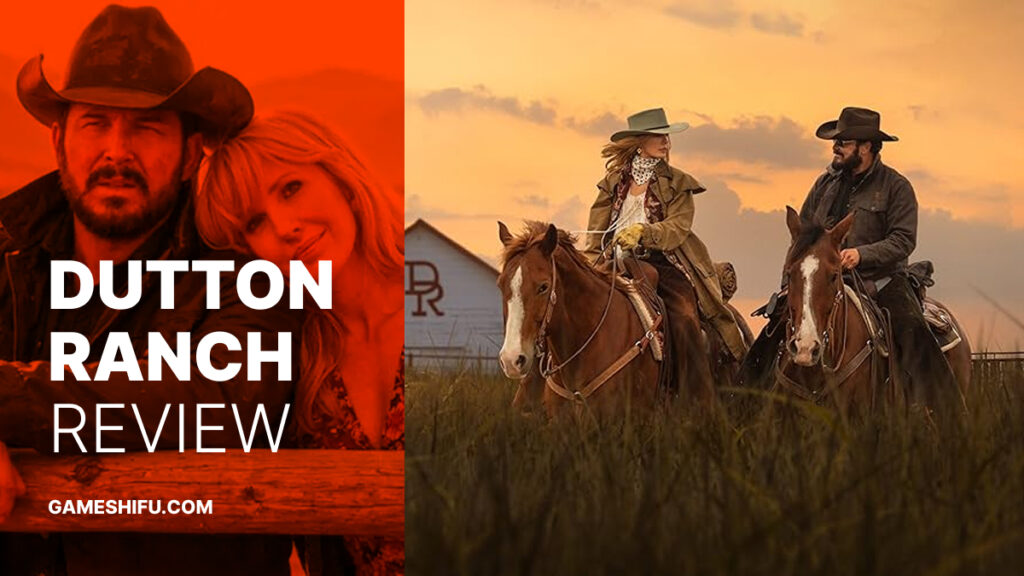
Dutton Ranch” is a gritty, character‑driven Yellowstone spin‑off that plays like an unofficial season 6, shifting Beth and Rip to a new ranch and a new fight without losing the soapy, modern‑Western energy that made the original a hit. If you’re searching for a Dutton Ranch review to decide whether it’s worth your Paramount+ time, this deep dive covers the plot, cast, tone, strengths, weaknesses, and whether Yellowstone fans (and newcomers) should saddle up.
What is Dutton Ranch?
“Dutton Ranch” is a Paramount+ original drama and direct Yellowstone spin‑off centered on Beth Dutton (Kelly Reilly) and Rip Wheeler (Cole Hauser) as they try to build a new life away from the original Montana ranch. Season 1 runs for nine episodes, premiering with a two‑episode drop on May 15, 2026 on Paramount+ and the Paramount Network, then releasing one episode weekly on Fridays.
The series is executive‑produced in the wider Taylor Sheridan universe, created by showrunner Chad Feehan, and positions itself as a continuation of Yellowstone rather than a distant prequel like 1883 or 1923. Critics and fans have quickly labeled it “basically Yellowstone with a new name,” which is clearly intentional branding: it’s meant to feel familiar.
Plot setup: Beth and Rip start over
When Yellowstone ended, Beth and Rip had finally carved out a fragile peace for themselves, only for that calm to be shattered almost immediately in Dutton Ranch’s opening moments. Early scenes show them living quietly on a Montana property—then a sudden fire destroys everything, forcing the couple and their ward Carter to start again from scratch.
Six months later, the story jumps to Rio Paloma, a small South Texas town near the U.S.–Mexico border, where Beth and Rip have bought and rebranded the old Edwards Ranch as their new Dutton Ranch. The core premise is simple and very Yellowstone: they want to run cattle, sell beef, stay out of trouble, and give Carter a chance to grow up right—but the land, the neighbors, and their own history have other plans.
Their main opposition comes from Beulah Jackson (Annette Bening), matriarch of the neighboring 10 Petal Ranch, who is deeply unhappy that the Duttons bought land she considered hers by right. Her ranch operates like a polished corporate empire, and she and her sons—volatile Rob‑Will (Jai Courtney) and more calculating Joaquin (Juan Pablo Raba)—embody the ruthless, legacy‑protecting rival clan archetype familiar from Yellowstone.
Cast and characters
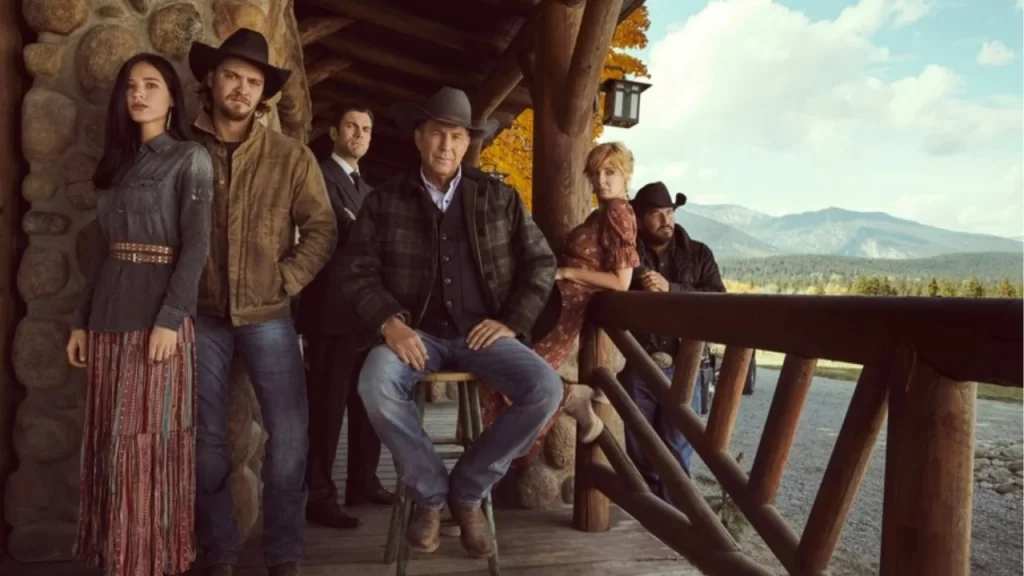
One of the biggest selling points in any Dutton Ranch review is the cast. The series brings back Yellowstone fan‑favorites Kelly Reilly and Cole Hauser as Beth and Rip, with Finn Little returning as their adopted son Carter. Paramount+ and press materials highlight an expanded ensemble that includes two Oscar‑nominated heavyweights: Ed Harris as Everett McKinney, a weathered Navy veteran‑turned‑veterinarian, and Annette Bening as rival ranch boss Beulah Jackson.
Supporting players like J.R. Villarreal (Azul, Rip’s key ranch hand), Marc Menchaca (Zachariah), Juan Pablo Raba (Joaquin Jackson), Jai Courtney (Rob‑Will Jackson), and Natalie Alyn Lind (Oreana) flesh out the Rio Paloma world and echo Yellowstone’s mix of hired hands, local power brokers, and compromised lawmen. Critics widely agree that the cast is the show’s standout asset; reviews single out Reilly and Hauser’s chemistry and Bening’s against‑type villain turn as major reasons to tune in.
Tone and themes: same Yellowstone, different ranch
If you’re wondering whether Dutton Ranch changes the Yellowstone formula, most early reviews say: not really—and that’s the point. AV Club bluntly calls it “same Yellowstone, different ranch,” noting that the spin‑off feels like a direct continuation of its parent series with only a slightly tweaked tone.
Thematically, Dutton Ranch leans into:
- Land and legacy – Beth and Rip are no longer defending a multi‑generation Montana empire, but they are still fighting to hold onto a ranch that represents the life they bled for.
- Family and chosen loyalty – The series keeps the focus tight on this small Dutton unit, their bond with Carter, and their makeshift Texas family of ranch hands and allies.
- Moral gray areas – As in Yellowstone, the “good guys” are the people willing to do questionable things for those they love and the land they protect.
Stylistically, Dutton Ranch retains the rugged modern‑Western look: sweeping vistas, horses at sunrise, cattle in peril, and plenty of tense, profanity‑laced conversations around campfires and kitchen tables. The show also tones down some of the heavy‑handed culture‑war caricatures that occasionally weighed down Yellowstone and earlier spin‑offs, focusing more on local rivalries than broad political messaging, which critics have praised.
What critics are saying
Because the phrase “Dutton Ranch review” now brings up several prominent outlets, it’s worth summarizing the critical consensus. Early coverage from places like The Hollywood Reporter, AV Club, Esquire, The Daily Beast, and TV Insider paints a picture of a spin‑off that is familiar but satisfying for core fans.
- The Hollywood Reporter describes Dutton Ranch as “palatable” and welcoming to newcomers while still packed with the emotional baggage Beth and Rip carry from Yellowstone.
- AV Club emphasizes that it feels like a direct continuation with slightly adjusted tone—less of a reboot, more of a “keep going” after the Yellowstone finale.
- Esquire calls Dutton Ranch “exactly what Yellowstone fans ordered,” going so far as to dub it Yellowstone season 6 in all but name, thanks to its focus on Beth and Rip’s next chapter.
- The Daily Beast argues that it’s the best Yellowstone spin‑off since the original, praising its straightforward Western melodrama once the show sidesteps some of Sheridan’s more heavy‑handed ideological flourishes.
- TV Insider and TV Guide highlight the compelling setup of Beth and Rip gambling everything on a new life in South Texas and quickly colliding with a ruthless rival ranch.
Audience‑facing platforms like Rotten Tomatoes note that the show feels like “classic modern Western drama” with family power struggles, land fights, and a lot of tension—exactly the mix viewers expect from a Yellowstone‑branded show.
Strengths: why Yellowstone fans will love it
The big question behind any Dutton Ranch review is: “If I loved Yellowstone, will I like this?” For most fans, the answer looks like a strong “yes.”
Key strengths critics and early viewers point to include:
- Beth and Rip front and center
Yellowstone often had to juggle a huge ensemble, but Dutton Ranch puts its most popular couple at the absolute core of the story. Their banter, shared trauma, and ride‑or‑die loyalty drive nearly every major decision, and Kelly Reilly’s larger‑than‑life Beth remains the franchise’s single most compelling presence. - High‑caliber supporting cast
Casting Annette Bening as Beulah Jackson and Ed Harris as Everett McKinney immediately elevates the show beyond typical cable spin‑off territory. Reviews highlight Bening as a “cutthroat matriarch” and Harris as a grounded, world‑weary vet whose scenes with Beth and Rip add emotional and moral texture. - Classic Western stakes and imagery
Dutton Ranch doubles down on sick animals, wildfires, land disputes, murders to cover up, and the constant tension of a family trying to stay one step ahead of both nature and human enemies. If you want cattle drives, gun smoke on the horizon, and morally gray ranch justice, the series delivers. - Cleaner, more focused narrative than Marshals
Some critics found previous spin‑off Marshals too procedural, but Dutton Ranch avoids that CSI‑style structure and instead sticks with serialized frontier drama. This keeps the emotional through‑line and long‑term stakes clearer from episode to episode.
Weaknesses: where Dutton Ranch falls short
Even positive reviews point out a few drawbacks that might matter depending on what you’re hoping for from a modern‑Western drama.
- Formula fatigue – Sheridan’s storytelling toolbox is now extremely recognizable: corrupt land barons, grisly cover‑ups, brooding cowboys, and lyrical monologues about sky and soil. The Daily Beast notes that many elements feel like they could’ve been generated from a checklist of Yellowstone tropes, which may turn off viewers looking for something radically new.
- Heavy melodrama – Dutton Ranch leans hard into heightened emotion, ominous music, and bitter confrontations, with dialogue that sometimes skates close to self‑parody in its earnestness. For fans, that’s part of the charm; for skeptics, it might re‑confirm every complaint they had about Yellowstone’s writing.
- Villains and side plots can feel familiar – The “ruthless rival ranch family” setup and Rob‑Will’s early‑episode crime cover‑up are well executed but not especially surprising if you’ve followed the franchise. Reviewers suggest that long‑term success will depend on whether the show can deepen these characters beyond stock antagonists.
If you’re doing content built around “Dutton Ranch honest review” or “Is Dutton Ranch good or bad?”, a balanced take acknowledges that the series is more about refocusing what worked than reinventing the wheel.
How and where to watch Dutton Ranch
From a search‑intent perspective, readers looking for a Dutton Ranch review often also want quick viewing info. Paramount+ and press materials confirm the key details:
- Platform: Paramount+ (streaming) and Paramount Network (linear TV).
- Premiere date: May 15, 2026, with a two‑episode launch.
- Season 1 length: 9 episodes total.
- Release schedule: Two episodes on premiere day, then one new episode each Friday through the season finale.
Internationally, outlets like Cosmopolitan note that Paramount+ drops new episodes Fridays with time‑zone‑adjusted release times (e.g., early morning in North America, 8am Fridays in the UK). That makes it easy for fans to plan weekly “Dutton Ranch nights” just as they did with Yellowstone.
Final verdict: is Dutton Ranch worth watching?
In summary, Dutton Ranch is not trying to convert people who hated Yellowstone into fans; it is unapologetically built for viewers who miss Beth, Rip, and the high‑stakes ranch wars vibe. As Esquire bluntly puts it, the spin‑off is “exactly what Yellowstone fans ordered,” functioning as a spiritual season 6 that shifts the arena to Texas but keeps the emotional DNA intact.
If you want a sharply written, prestige deconstruction of Western myths, this franchise has probably never been your thing—Dutton Ranch will not change your mind. But if you loved Yellowstone’s mix of widescreen landscapes, brutal family loyalty, and deeply flawed characters clinging to their land at all costs, Dutton Ranch is absolutely worth adding to your watchlist and following week to week.